
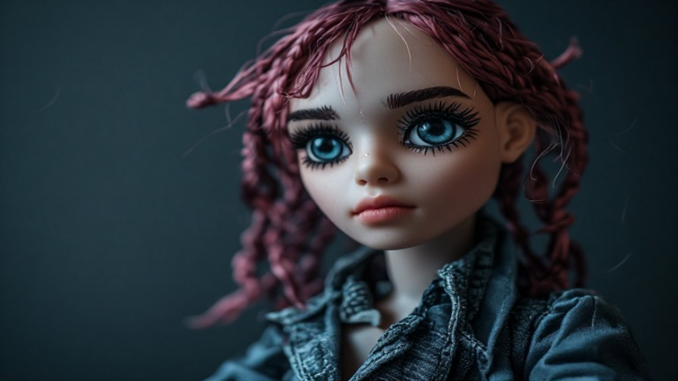
“First-of-their-kind” transgender dolls — complete with removable genitalia — are set to appear in some Minnesota classrooms this fall for children as young as 4.
The dolls carry gender-neutral names such as Sam, Rory, Avery, and Parker. They feature removable internal and external genitals plus more than 100 interchangeable clothing items, accessories, and hairstyles — essentially a gender-fluid version of Mr. Potato Head.
According to a therapist at the University of Minnesota Medical School, the goal is for kids to “learn about the different options that exist for who they can be.” The school spent more than half a decade developing the project, which has ties to funding under Democratic Gov. Tim Walz.
Researchers at the Medical School’s Institute for Sexual and Gender Health paid $20 to $60 to “trans and gender diverse” children and their parents to play with the dolls and discuss gender and bodies in group sessions. Prototypes were displayed at a 2024 conference, including one named “Sam” shown in what appears to be a mid-transition state, with a detachable penis set aside and a dress and girls’ underwear nearby.
The dolls, marketed under the slogan that they will “make gender fun,” will be offered to teachers, school counselors, pediatricians, and mental health providers through the MyGender Dolls company website. The site shows a boy doll in a dress and other figures in various states of gender presentation. It remains unclear whether parents or children will be able to purchase them directly, or whether they will be limited to professionals and schools. It is also unknown whether parents will have the right to opt their children out of any “therapeutic play” involving the dolls.
The project began as University of Minnesota research and was later turned into a commercial venture by two licensed psychologists who are professors at the medical school. The website does not list prices for the dolls.
The University of Minnesota Medical School receives $15 million in annual state funding under Walz, money designated to expand research capacity and maintain national standing. The school does not publicly break out how much of that support flows to the Institute for Sexual and Gender Health, which reported a total research budget of $1.4 million in its 2025 annual report.
Walz, who has advanced pro-transgender policies in Minnesota, received the institute’s first “Distinguished Sexual and Gender Health Champion Award” in 2023 — an honor created specifically for him. He was photographed smiling alongside Medical School Associate Professor Nic Rider, co-founder of MyGender Dolls. Rider, who specializes in transgender health for children and teens and uses they/them pronouns, did not respond to a request for comment. Neither did co-founder Associate Professor Dianne Berg, a member of the Association for the Treatment of Sex Abusers.
In a since-deleted 2020 university publication, Berg said genitals were central to the research: “Everyone should be learning that there’s diversity in gender identity and that what makes you real is not what your body parts are, but how you think and feel.” She noted she had already begun using the dolls with her own patients, ages 5 to 10. Other university therapists described using the dolls to prompt discussions of private parts. “We were able to explore and brainstorm not just what our bodies are able to do now but what we want our bodies to do and look like in the future,” said Adjunct Assistant Professor Elizabeth Panetta.
Critics warn the dolls could be misused to advance ideology with vulnerable children. “They will find anybody who’s in trouble and use this as a tool to say, ‘this is why you’re unhappy.’ This is absolutely grooming,” said Dr. Quentin Van Meter, past president of the American College of Pediatricians. “The younger kids — many of them still believe in the Easter Bunny and the Tooth Fairy. And you’re then presenting them with paper dolls that kind of look fun, and you can change clothing, hair, genitals… It’s well beyond their ability to sort out fantasy from reality. It’s profoundly inappropriate.”
A university spokesperson said no public funds were used “to support MyGender Dolls’ commercialization efforts.” When asked how much taxpayer money went into the research, development, and salaries of the professors involved, the university declined to answer and directed inquiries to a Freedom of Information request.